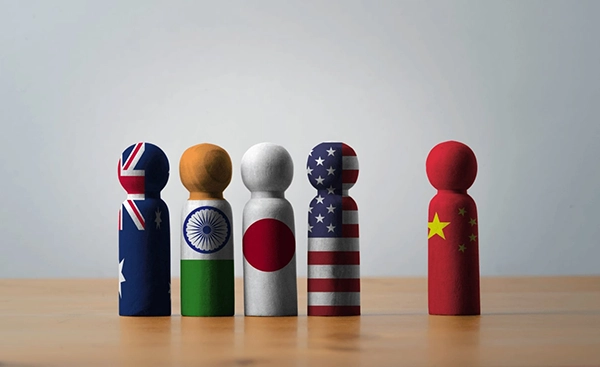
As the 2024 U.S. presidential election nears, the contest between Vice President Kamala Harris and former President Donald Trump may impact relations with Indo-Pacific nations. Harris’s surprise run raises questions about U.S. foreign policy, in terms of local security and state ties. Her approach could focus on teamwork; meanwhile, Trump may take a more businesslike stance.
Experts believe that the results of the election will influence how the U.S. interacts with important countries in the Indo-Pacific area. It will also impact how the U.S. deals with China’s increasing power in that region. Harris wants to strengthen relationships with Indo-Pacific nations, while Trump’s tough stance puts those alliances at risk.
A major difference in the candidates’ plans lies in how their policies could reshape the U.S’s role in the Indo-Pacific region. This article will explore the potential outcomes of the 2024 election on countries in this area, looking at both the good and bad effects of those changes.
By understanding these potential changes before you place a bet on betting sites us election, you can see how the choices made in the U.S. might influence not just America, but also its relationships and stability in Asia, which is important for everyone who cares about global issues. Also, learn about AI Steve in UK Politics by reading this article.
The upcoming U.S. presidential election is going to focus a lot on what to do about China and Taiwan in the Indo-Pacific region. If Trump takes a business-first approach, it might make countries in Asia nervous, causing them to build up their military and team up more with China. This could weaken the U.S.’s power in that area.
If Harris wins, she is likely to work on building strong partnerships and keeping the region safe. By joining forces with other countries, the U.S. can better stand up to China and encourage teamwork to solve shared problems. This approach not only strengthens relationships but also helps create a united front, making it harder for any country to dominate the region.
Furthermore, this plan might help build confidence in how serious America is about supporting the region. It could encourage countries in the Indo-Pacific to choose the U.S. instead of China. By working together better, they could address shared problems like security challenges and economic difficulties.
In the end, this could lead to a stronger alliance in the area. By doing this, the U.S. could maintain its influence and stability in the Indo-Pacific for a long time while also stopping China from becoming too powerful there. You can find more details on political betting website.
China is changing how it thinks about its economy. Now, the focus is on building a strong and creative economy that can handle challenges from around the world. This new plan moves away from just trying to grow quickly no matter what. Under President Xi Jinping, there are efforts to reduce dependence on the real estate market, and the aim is to encourage growth through homegrown innovation.
The Central Committee of the Communist Party of China has approved a big change to help keep the economy growing for the country’s benefit. To reduce tensions with the United States, Xi needs to connect with future American leaders. He also wants to increase China’s influence, especially in developing countries.
This plan can help China by giving it more time to boost its economy. It also speeds up growth, reduces reliance on foreign markets, and enhances competitiveness on a global scale.
Trade has helped the Indo-Pacific region grow a lot. It has connected this area to the U.S. through supply chains, business relationships, and investments. Countries in the Indo-Pacific are happy about the trade connections with the U.S., especially with the new Indo-Pacific Economic Framework (IPEF). However, they feel a bit let down because they think the U.S. isn’t leading enough and that it’s hard to access its market. On the other hand, China is actively working on its trade plans, especially with its involvement in the Regional Comprehensive Economic Partnership (RCEP).As the U.S. nears its November election, chances may arise for the Indo-Pacific region. Activities like the US presidential election betting may also be prevalent. Stronger U.S. engagement could boost ties with regional partners if the next authority values cooperation. It could also counter China’s growing influence and boost the Indo-Pacific economy.